Chicken-Math Economics
Five clans, hidden genes and the decisions behind our Brahma breeding programme. Dr Anne Rainville explains how work at Wolfhoeve led to Chicken Color Standards.
Read article : Chicken-Math Economics→We raise giant Brahma chickens with a focus on correct type and a serious program to develop new and rare colors within the breed — some of which exist nowhere else in the world.
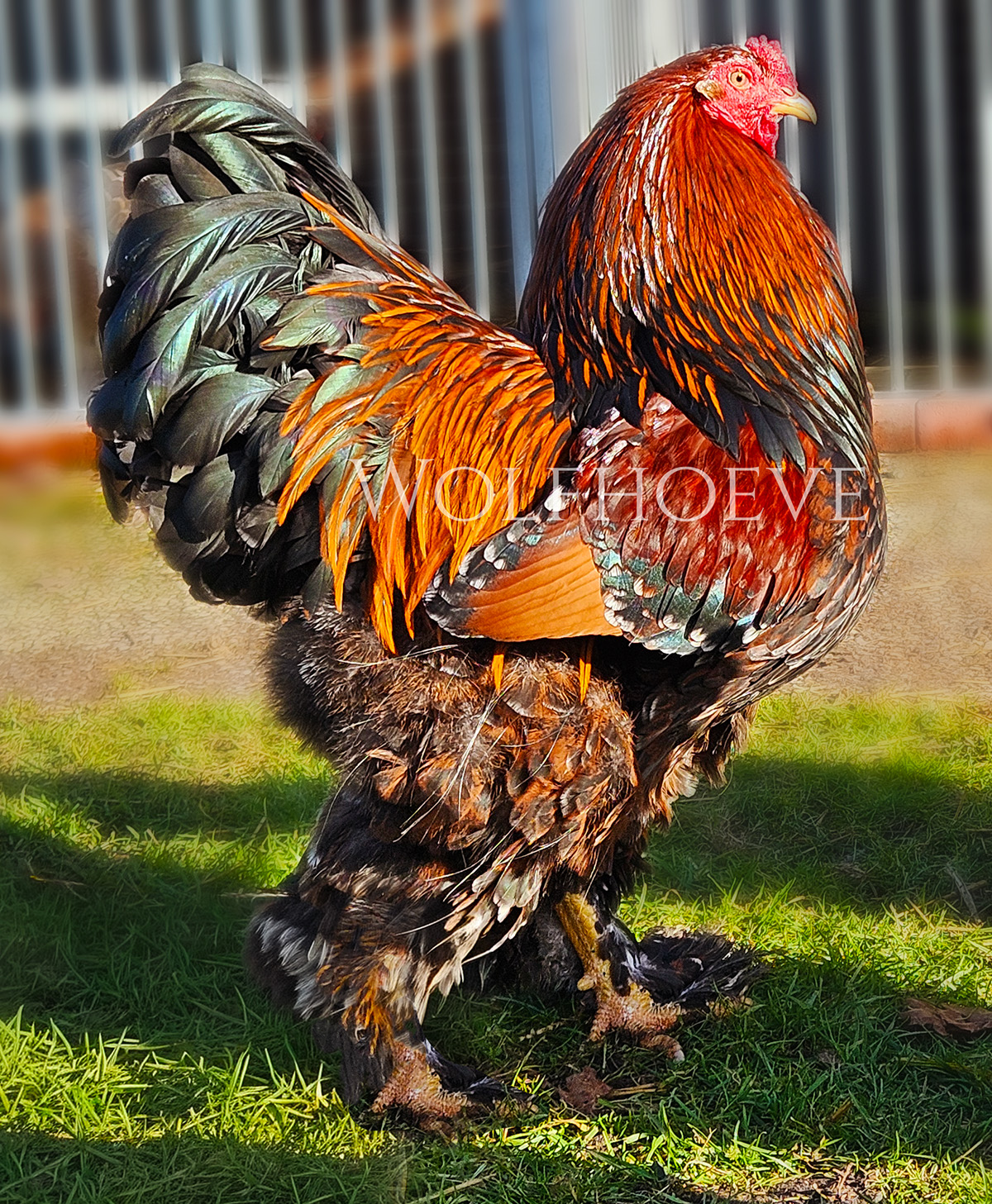
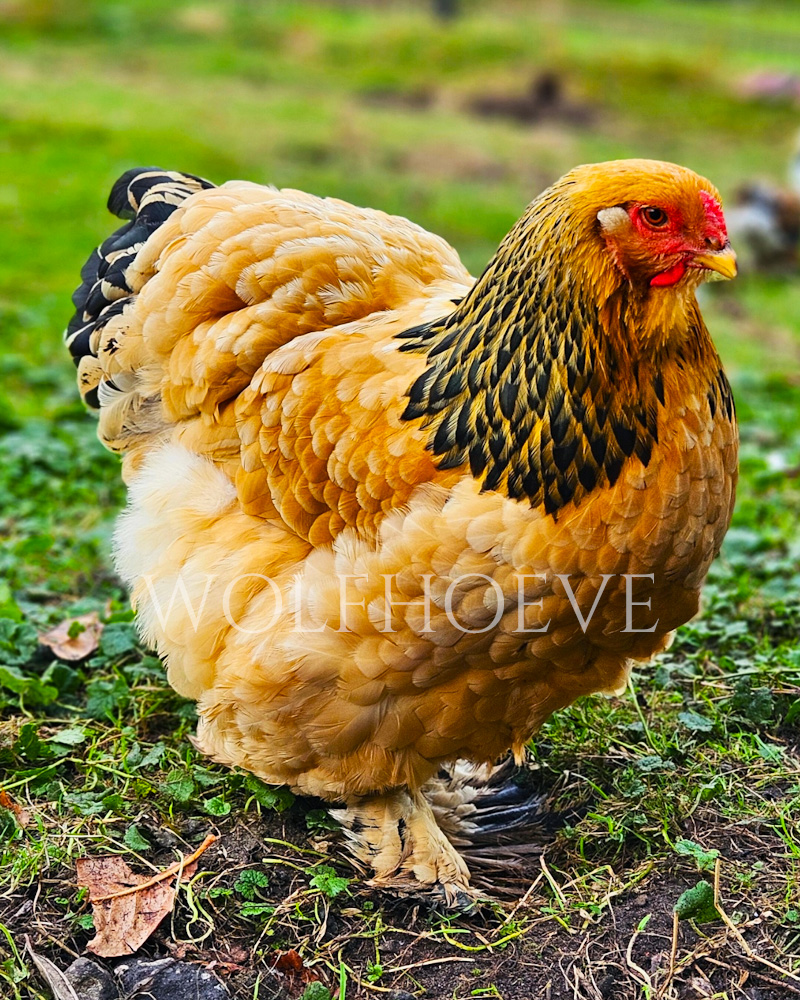
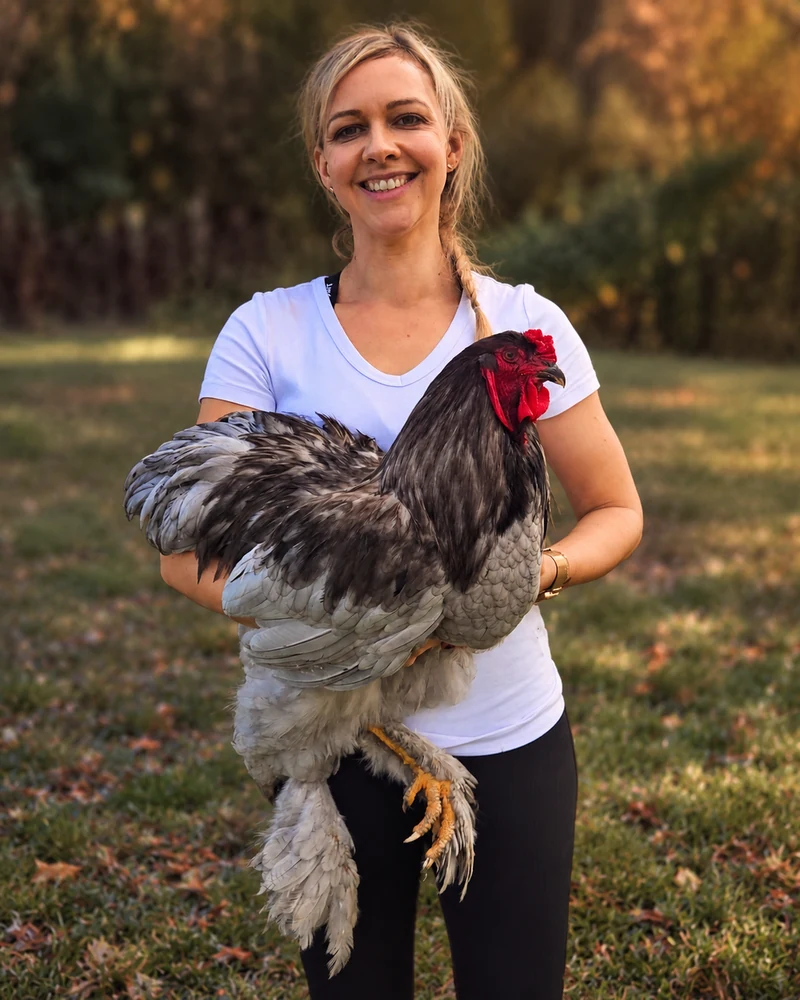
Wolfhoeve is our personal Brahma breeding programme in Beekbergen, on the edge of the Veluwe in the Netherlands. The breeding program is run by Dr. Anne Rainville (Wolf) — originally from Canada, now also Dutch — who brings a research-oriented approach to every cross. We keep giant Brahma chickens — one of the largest and most visually striking chicken breeds in existence — and we breed them seriously.
Our work is built on two things: preserving the correct Brahma type that defines the breed, and expanding the range of colors that Brahma can come in. The flock runs across five genetically structured pens, with rooster rotation used to confirm genotypes before committing any bird to the next generation. Some of the colors we are developing exist nowhere else in the world.
Brahmas are also extraordinarily calm and friendly birds. They adapt well to being handled, tolerate children, and have a quiet, stately presence that makes them remarkable to keep — whether you are a serious collector or simply want something extraordinary in your backyard.
The Brahma has a very specific silhouette, posture, and mass. Every bird we breed must be correct Brahma first. Color development takes as long as it takes — we never cut corners by accepting poor type in exchange for a faster color result.
Each cross is planned from the ground up. We know the genetic makeup we are working toward, we source parent birds with confirmed genetics, and we track every generation. If something unexpected appears, we find out why before moving on.
Introducing a genuinely new color variety into the Brahma breed can take a decade. We plan in breeding generations, not seasons, and we share what we learn with the wider community of breeders working in the same direction.
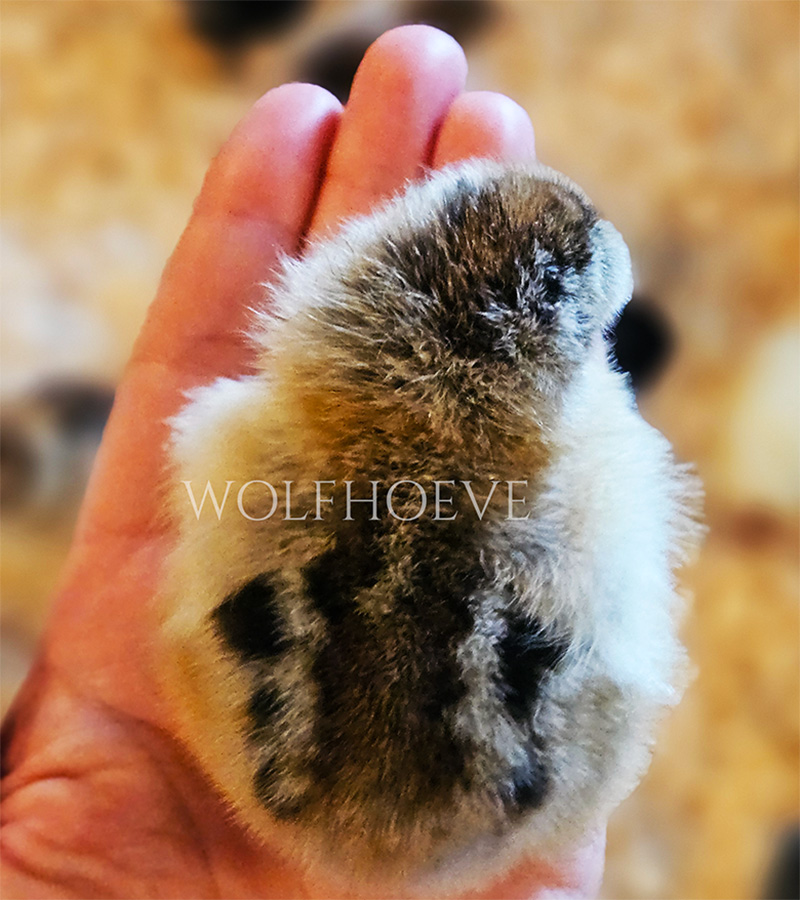
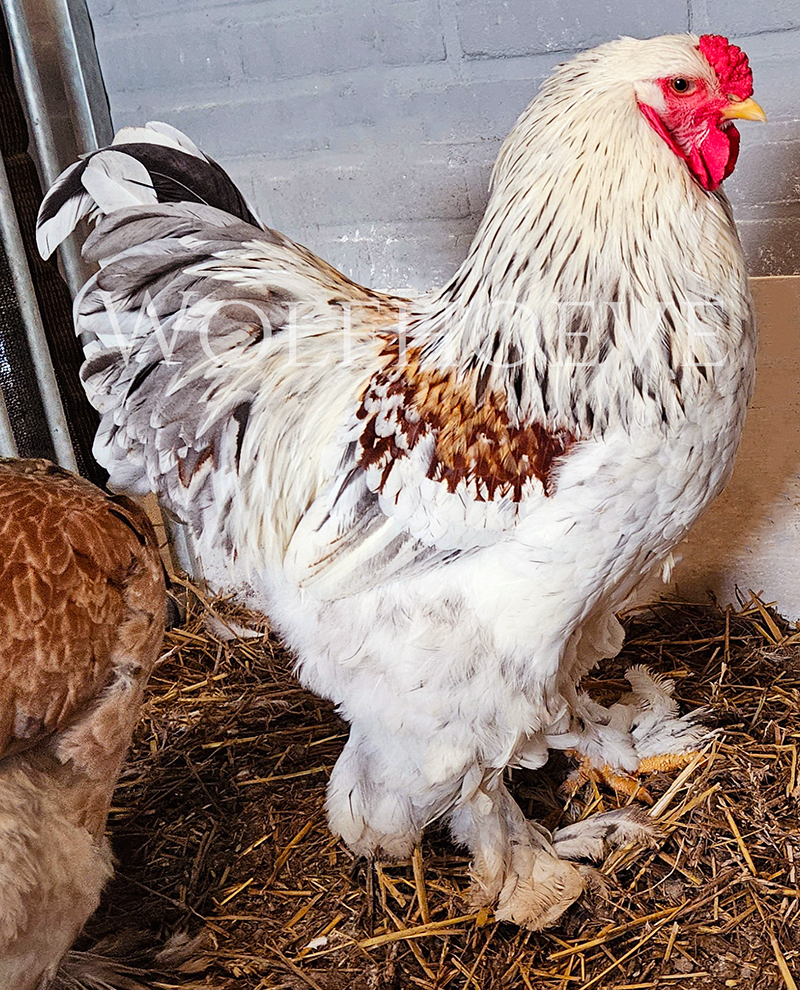
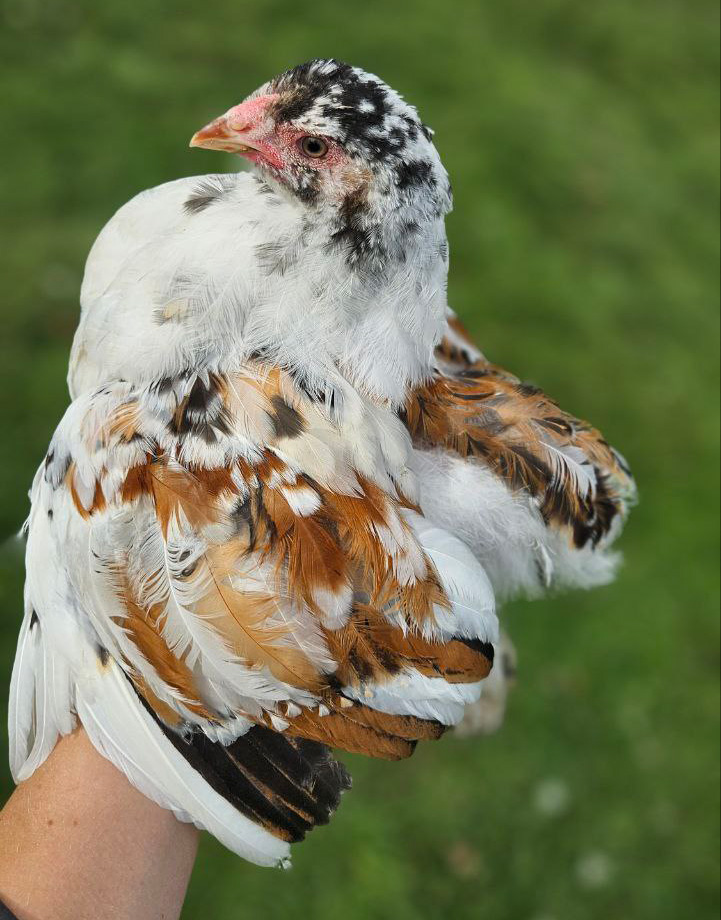
Colour development at Wolfhoeve combines established Brahma varieties with new breeding projects. A colour recognized elsewhere in Europe is not automatically listed for the Netherlands. We show those differences below and keep formal recognition separate from the progress of our own lines.
Recognition is specific to the breed, size and country. The EE large-fowl list dated 31 March 2026 includes 17 Brahma varieties across Europe, with 13 named in the Netherlands column. The badges below distinguish Dutch recognition from recognition elsewhere in Europe.
Recognized (NL) Named in the Netherlands column of the EE large-fowl Brahma list.
Recognized (EU) Listed for large Brahma elsewhere in Europe; the Netherlands entry is blank.
Project A Wolfhoeve breeding line or colour project not listed for large Brahma in this EE edition.
In development A Wolfhoeve project not yet producing the target colour.
The varieties below are what we actively breed at Wolfhoeve — not an exhaustive list of what exists in the breed. They are grouped by genetic clan: each clan shares a common base, and varieties within it differ by one or two additional genes. Click any clan to read more about the genetics and the breeding program behind it.
Curious about the underlying genetics? chickencolorstandards.com is a free reference tool we built for exactly this purpose.
Every color program at Wolfhoeve follows the same principles. These are not aspirational — they are the actual constraints we work within, generation after generation.
Before any cross, we define the target genotype completely — not just the color name, but every gene involved. This means identifying early on whether a required gene exists in the breed, or whether it needs to be sourced from outside it.
A bird that looks right is not necessarily genetically right. We confirm relevant genotypes through progeny testing where needed before committing donor birds to a program.
When introducing a new color, early generations often require compromises: we prioritize selecting correct Brahma type to stabilize the foundation, even when color or pattern is not yet where we want it. Color is corrected once type is secure. The breeding outcomes calculator on chickencolorstandards.com shows what to expect at each generation.
Only birds that truly represent the standard — in type, structure, and health — are carried forward into the next generation. This is how a long-term program stays on course.
We document and publish our methods and results. Chickencolorstandards.com is one expression of that. We also correspond directly with other breeders working on related programs. The goal is for this work to benefit the breed, not just our own flock.
Follow our progress
Articles, observations and breeding notes from our giant Brahma programme in Beekbergen.
Five clans, hidden genes and the decisions behind our Brahma breeding programme. Dr Anne Rainville explains how work at Wolfhoeve led to Chicken Color Standards.
Read article : Chicken-Math Economics→